
Las Vegas Solar Panel Cost: What Shapes Your Quote?
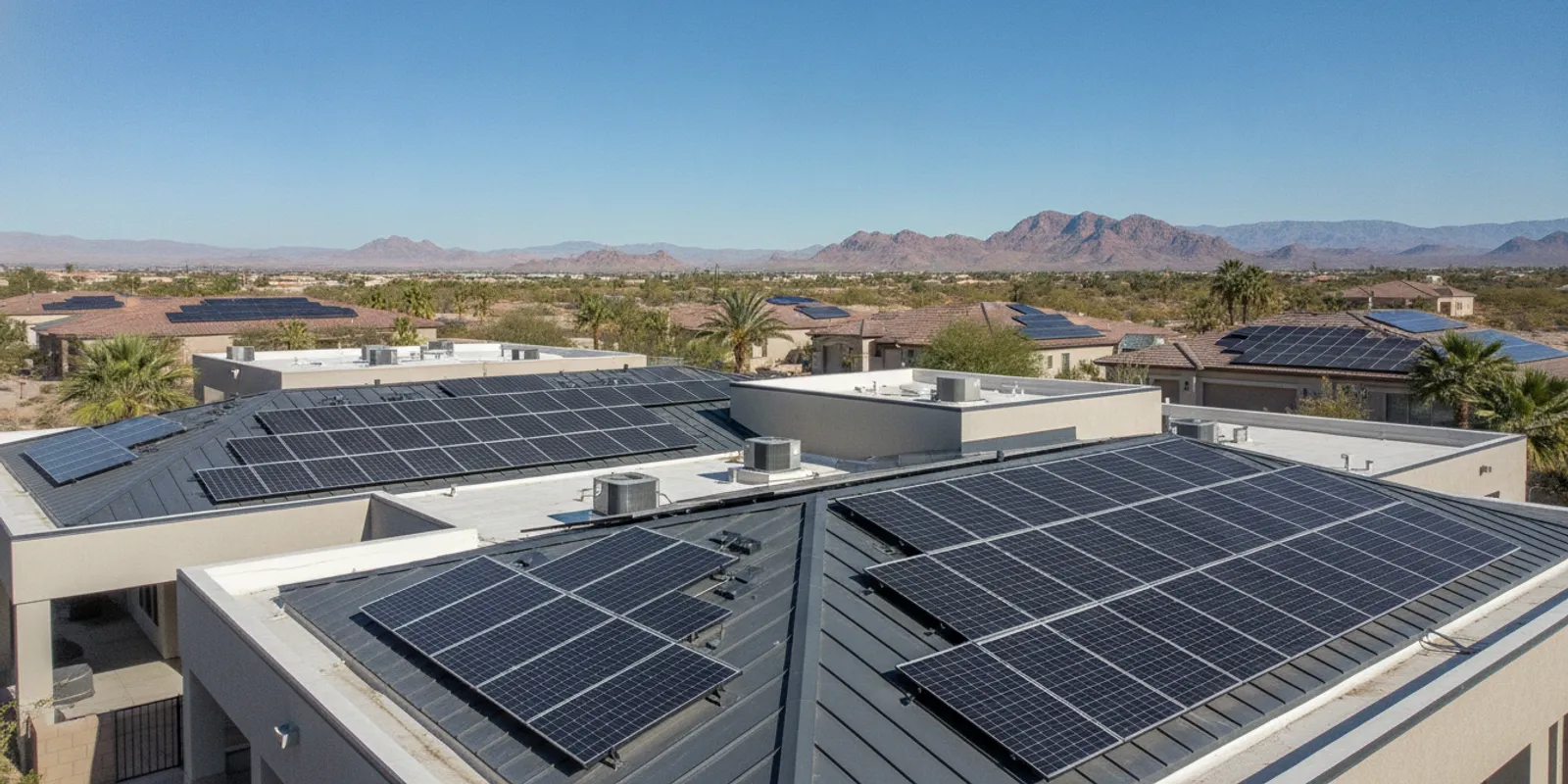
Wondering about Las Vegas solar panel cost? There is no single quote that fits every home. System size, roof condition, electrical work, equipment choices and the way you pay can all change a proposal. The best starting point is a property-specific assessment, not a generic price per panel.
Why do solar proposals vary?
A solar proposal is built around the home and the household's goals. A system designed for one roof may not suit another, even when the homes are close together. Shade, roof layout, electricity use and the electrical equipment already in place can affect the design and the work required.
The project path can include reviewing energy use and the property, designing a system, and coordinating applicable utility and permit steps before installation and activation. Those details matter because a proposal is more than a panel count. It should show what is included and how the proposed system fits the home. See the solar process overview for context on these stages.
Which factors shape the quote?
System size and electricity use
Higher electricity use can call for a larger system, but the goal is not simply to install as many panels as possible. A design should consider the home's usage and the roof's usable space and sun exposure. Review the assumptions in the proposal, including the energy-use information used to size the system. If your household's use changes seasonally, bring bills from different months so the discussion is based on more than one snapshot.
Roof condition, layout and shade
Roof orientation, shade, available area and roof condition influence where panels can go and how a system is laid out. If the roof needs work before installation, that may affect the project scope or timing. Ask what the assessment found and whether roof work is included, excluded or recommended before proceeding. A simple example: two homes with similar bills may need different designs if one has a shaded roof plane or less usable area.
Electrical work and equipment
The existing electrical setup and the equipment selected can affect the design and installation tasks. Ask for a clear description of panels, inverters and any electrical upgrades included in the proposal. If you are considering a battery, have the installer explain the equipment and configuration separately; solar panels alone should not be treated as outage backup.
Permits and utility coordination
Local approvals and utility coordination are part of the project path. Confirm which permit and utility steps the proposal includes, who handles them and what could change the schedule. Avoid assuming that every property has the same requirements or timeline. Ask whether the proposal identifies the approvals that apply to your property and how you will be told about any change in scope.
Financing and incentives
Payment method changes how a project is paid for, not the physical work the home needs. Compare the total obligation and terms of any financing offer, rather than relying only on a monthly payment. Financing terms and eligibility can vary by offer and borrower; review the agreement carefully and consult a qualified financial or tax professional as appropriate. Incentives can depend on current rules and individual eligibility. Verify details with the relevant program or a qualified tax professional before making a decision; no specific rebate or tax benefit is guaranteed here.
How should you compare proposals?
Compare proposals on the same basis. Check the system design, included equipment, electrical work, approval responsibilities and what happens if the site assessment identifies additional needs. Ask whether a battery is included, optional or not part of the design. A low headline figure may not represent the same scope as another proposal.
- Confirm the proposed system size and the usage assumptions behind it.
- Ask what roof and electrical work is included, and what is outside the scope.
- Review equipment and battery details separately.
- Clarify who coordinates permits and utility steps.
- Compare payment terms and independently verify any incentive eligibility.
For example, imagine two offers with different totals. Before choosing one, check whether both use comparable system designs, include the same electrical work and assign permit coordination in the same way. If one offer leaves a possible upgrade unresolved, ask for that uncertainty to be explained in writing rather than treating the lower initial figure as the complete project cost.
LivSmart's solar information page provides a place to begin learning about the consultation. For your own home, request a proposal that explains the specific design and scope.
Are example prices useful?
Published market figures can provide rough context, but they are not a quote for your home. System size, site conditions, equipment, project scope, payment terms and changing incentive rules make direct comparisons difficult. Any example range should be treated as illustrative only, not a promise, installed price or estimate of your eligibility. LivSmart discusses pricing in person after learning about the property and project.
A property-specific consultation can establish what design is feasible and what the proposal includes. Bring a recent utility bill if available, note any roof concerns, and list the loads you would want a battery to support if backup is part of your goal. Clear inputs help make the discussion more useful.
Discuss your home's solar options
What should you take away?
Las Vegas solar panel cost depends on the home, proposed system and project scope, so a generic figure cannot replace an assessment. Compare complete proposals, confirm what is and is not included, and verify financing and incentive details before deciding.
For general information about federal clean energy tax credits and current eligibility, consult the IRS Residential Clean Energy Credit page; check current rules with a qualified tax professional before relying on a credit.

